
Bad breath in dogs is one of the most common concerns pet owners bring to veterinary appointments, and it’s also one of the most frequently dismissed as just a normal part of having a dog. While some mild mouth odor can be expected, persistent or strong bad breath in dogs is usually a sign of an underlying health issue that deserves attention. Keep reading to learn what causes dog bad breath, when it’s a problem, and what your veterinarian can do about it.
What Causes Bad Breath in Dogs?
Dog bad breath, clinically referred to as halitosis, has several potential causes.
Dental Disease
The most common cause of bad breath in dogs is periodontal disease, a condition affecting the teeth and gums. Bacteria accumulate in the mouth and form plaque, which hardens into tartar over time. As this buildup progresses, it causes inflammation of the gums (gingivitis) and can eventually lead to tooth loss and bone damage.
The bacteria responsible for periodontal disease are the primary source of the unpleasant odor most people associate with dog bad breath. By age three, an estimated 80 percent of dogs show some signs of dental disease. This makes regular veterinary dental care essential for dogs of all ages.
Diet and Eating Habits
What your dog eats plays a role in how their breath smells. Dogs that eat lower-quality food, get into garbage, or consume items like animal feces may develop noticeably bad breath as a result. Certain foods and treats can temporarily increase mouth odor, but if the bad breath in your dog persists regardless of diet, dental disease or another health issue is the more likely culprit.
Kidney Disease
If your dog’s breath smells like ammonia or urine, kidney disease may be a factor. The kidneys are responsible for filtering waste products from the blood. When they aren’t functioning properly, those waste products can accumulate and affect the smell of your dog’s breath.
Kidney-related bad breath in dogs is often accompanied by other symptoms like increased thirst, frequent urination, weight loss, and lethargy. If you notice this type of odor, contact your veterinarian promptly.
Diabetes
A sweet or fruity odor on a dog’s breath can be associated with diabetes. This type of smell is produced by ketones, which build up in the bloodstream when the body breaks down fat instead of glucose for energy. If your dog’s bad breath has a distinctly sweet quality and you’re also noticing increased drinking, increased urination, or weight changes, diabetic ketoacidosis is a possibility that warrants urgent veterinary evaluation.
Oral Tumors or Foreign Bodies
In some cases, a strong and sudden change in a dog’s breath can be linked to a growth in the mouth or a foreign object lodged between the teeth or in the gums. Oral tumors, both benign and malignant, can produce significant odor, particularly if there is tissue breakdown involved. Your veterinarian will perform a thorough oral exam to check for any abnormalities during a dental evaluation.
How Can You Tell If Dog Bad Breath Is a Dental Problem?
The most reliable way to assess your dog’s oral health is through a professional dental examination. However, there are signs at home that can suggest dental disease is behind your dog’s bad breath:
- Yellow, brown, or gray buildup on the teeth (tartar)
- Red, swollen, or bleeding gums
- Pawing at the mouth or face
- Difficulty chewing or dropping food
- Loose teeth or visible swelling near the jaw
If you notice any of these alongside bad breath, dental disease is a likely cause and a professional cleaning under anesthesia is almost certainly needed.
How Do Vets Treat Bad Breath in Dogs?
Treatment for dog bad breath depends on the underlying cause. For dental disease, a professional veterinary dental cleaning at Veterinary Medical Center of Easton is the most effective solution. This procedure is performed under general anesthesia and allows your veterinarian to clean below the gumline, extract any compromised teeth, and take dental X-rays to assess the full picture of your dog’s oral health.
If the cause of bad breath is systemic, such as kidney disease or diabetes, your veterinarian will address the primary condition with appropriate diagnostics and a treatment plan. Our team at Veterinary Medical Center of Easton is experienced in both dental care and the management of systemic conditions that affect oral health.
Can You Prevent Bad Breath in Dogs?
The best way to prevent bad breath in dogs is to establish a consistent at-home oral care routine alongside regular professional veterinary dental cleanings. Effective tools and habits include:
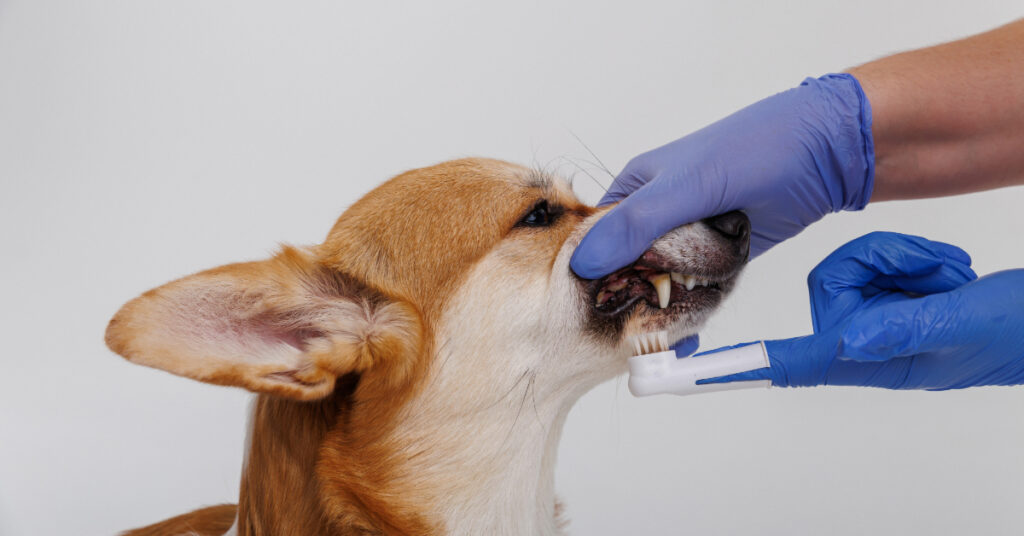
- Brushing your dog’s teeth with pet-safe toothpaste several times per week
- Offering veterinary-approved dental chews and toys
- Providing dental rinses or water additives recommended by your vet
- Scheduling routine dental exams and professional cleanings as recommended
Starting oral hygiene habits early, especially in puppies, makes the process much easier for both the dog and the owner long-term.
How Often Should Dogs Have Professional Dental Cleanings?
Most veterinarians recommend professional dental cleanings once a year for the average dog, though some breeds and individual dogs may need more frequent attention. Small breeds, brachycephalic breeds, and dogs that are prone to heavy tartar accumulation often benefit from cleanings every six months.
Annual wellness exams at Veterinary Medical Center of Easton include an oral health assessment, giving you and your vet an opportunity to discuss your dog’s dental needs and set an appropriate schedule.
What Your Dog’s Breath Is Trying to Tell You
Dog bad breath is rarely just a cosmetic issue. In most cases, it reflects something happening inside your dog’s body, whether it’s dental disease, an organ issue, or a metabolic problem. Paying attention to changes in your dog’s breath and acting on them is one of the simplest ways to stay ahead of health problems before they become serious.
If your dog’s breath has changed or you’ve been putting off a dental evaluation, this is your reminder to make that appointment. Call Veterinary Medical Center of Easton in Easton, MD at (410) 822-8505 to schedule a comprehensive dental assessment for your dog today.