
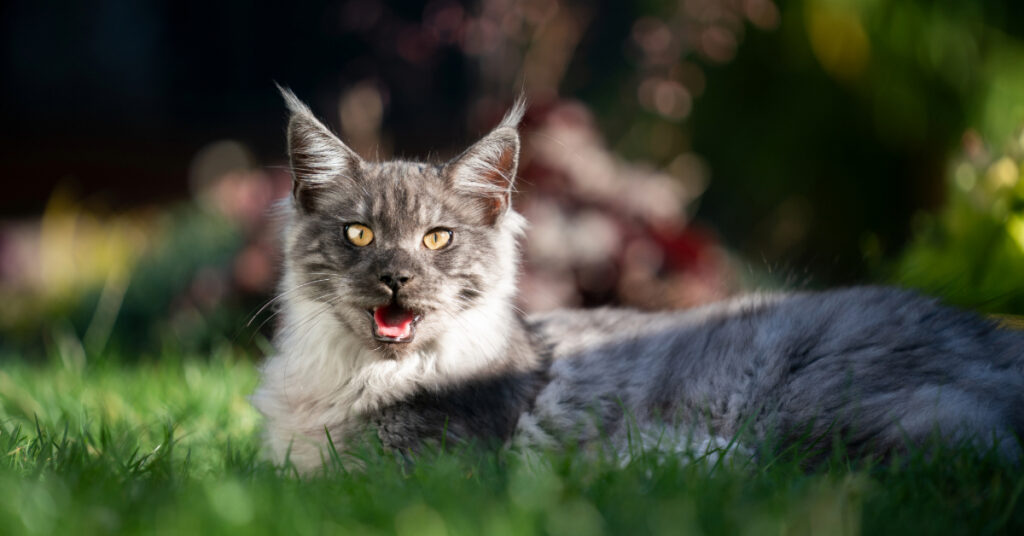
Unlike dogs, cats rarely pant, which makes open-mouth breathing in cats a symptom that warrants attention. If your cat is panting, it could be a sign of heat stress, fear, respiratory illness, heart disease, or another underlying condition. While occasional, brief panting after intense play can be normal, any panting that appears without an obvious cause or lasts more than a few minutes should be evaluated by your veterinarian. Keep reading to understand the most common reasons cats pant and when to act quickly.
Is It Normal for Cats to Pant?
Cats do not pant to regulate body temperature the way dogs do. Occasional open-mouth breathing is sometimes seen in cats after vigorous exercise or during moments of extreme stress, such as a car ride. In these specific contexts, brief panting may be considered normal.
However, if your cat is panting at rest, panting repeatedly, or panting along with other symptoms like lethargy, labored breathing, or blue-tinged gums, you should contact your veterinarian at Veterinary Medical Center of Easton without delay. Cat open-mouth breathing is frequently a sign that something is wrong.
6 Common Causes of Cat Panting
There are a number of reasons a cat might pant, ranging from benign to urgent. Below are the most common causes your veterinarian will consider when evaluating open-mouth breathing in cats.
1. Overheating or Heatstroke
Cats can overheat, particularly when left in hot environments without access to shade or water. When a cat becomes too warm, panting can emerge as a cooling attempt, though cats are less effective at self-cooling through this method than dogs are. If you suspect your cat is overheated, move them to a cool area immediately and contact your veterinarian. Heatstroke in cats can escalate rapidly and requires urgent care.
2. Stress, Fear, or Anxiety
Cats experiencing significant stress, such as during a vet visit, a car ride, or the introduction of a new pet or family member, may open their mouths and pant briefly. Stress-induced panting in cats is typically short-lived and resolves once the stressor is removed. If your cat pants frequently in everyday situations or when nothing obvious has changed in their environment, anxiety or an underlying health condition may be a factor worth discussing with your vet.
3. Respiratory Infections
Upper respiratory infections are one of the more common health issues in cats, and they can cause labored breathing, open-mouth breathing, and panting. A cat with a respiratory illness may also show nasal discharge, sneezing, coughing, or fever alongside the panting. Feline respiratory infections can range from mild to severe and often require veterinary treatment to resolve fully. Early care helps prevent complications and keeps your cat comfortable.
4. Asthma
Feline asthma is a chronic inflammatory condition of the airways that can cause coughing, wheezing, and open-mouth breathing. During an asthma episode, a cat may extend their neck, crouch low, and appear to be working hard to breathe. Asthma in cats is a manageable condition, and veterinarians commonly use bronchodilators and corticosteroids to control symptoms. If you notice recurring respiratory symptoms in your cat, asthma is one diagnosis worth exploring with your vet team.
5. Heart Disease
Heart disease is a significant cause of breathing difficulty in cats. Conditions such as hypertrophic cardiomyopathy, a thickening of the heart muscle, can lead to fluid accumulation in the lungs, which causes panting and open-mouth breathing. Cats with heart disease may also show reduced activity, decreased appetite, and weight loss. If your cat is panting alongside any of these symptoms, seek veterinary attention promptly. Our veterinary team at Veterinary Medical Center of Easton can perform diagnostics, including chest X-rays to evaluate heart health.
6. Pain
Cats in pain often show respiratory changes, including panting. This is the body’s stress response to discomfort. A cat who has been injured, is recovering from surgery, or is experiencing internal pain from a condition like urinary obstruction may pant as a result of that pain. Because cats are skilled at masking discomfort, panting can sometimes be one of the more visible signs that something hurts. If your cat is panting and you can’t identify a clear reason, a physical exam is the right next step.
Other Symptoms to Watch for Alongside Panting
Cat panting rarely occurs in isolation when there’s a medical cause. Watching for accompanying symptoms helps your veterinarian narrow down the diagnosis more efficiently. Symptoms that should prompt a same-day veterinary visit include:
- Labored, noisy, or rapid breathing
- Blue, gray, or pale gums (a sign of oxygen deprivation)
- Lethargy or collapse
- Refusing food or water
- Visible distress or unusual posturing
When to Take Your Cat to the Vet for Panting
Any panting that doesn’t have an obvious, immediately resolvable cause, such as brief stress during a car ride, warrants a call to your veterinarian. Do not wait if your cat’s panting is accompanied by difficulty breathing, color changes in the gums, weakness, or if it comes on suddenly without a clear trigger.
Our veterinary professionals at Veterinary Medical Center of Easton, serving pet owners throughout Easton, MD and the surrounding area, are experienced in diagnosing and treating respiratory and cardiac conditions in cats. Call us at (410) 822-8505 if your cat’s breathing doesn’t look or sound right.
Open-Mouth Breathing in Cats Deserves a Closer Look
Cats are not natural panters, which is why open-mouth breathing in felines stands out as a meaningful symptom. Whether it turns out to be something simple or something that requires medical management, getting a professional opinion is always the right call when your cat’s breathing changes. At Veterinary Medical Center of Easton, we understand how alarming it can be to see your cat struggling. Call us at (410) 822-8505 today. Our team is here to give you answers and give your cat the care they need.