
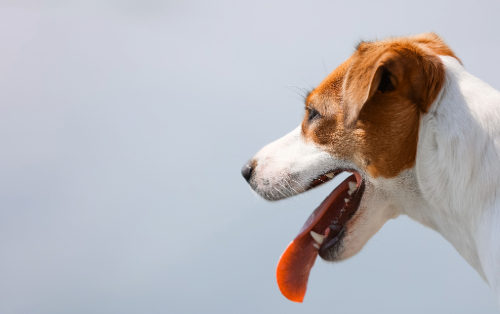
Dog panting is a natural behavior that helps dogs regulate their temperature, release heat, and respond to their surroundings. When you see your dog panting more than usual, it can raise questions about whether they’re simply cooling down or if something more serious could be going on. Panting ranges from normal to concerning depending on the situation, the intensity, and how your dog behaves at the same time. Understanding what typical panting looks like and what might signal a problem helps you make informed decisions about your pet’s comfort and health. If you ever feel uncertain about your dog’s breathing patterns, Veterinary Medical Center of Easton is here to help. Call (410) 822-8505 today to talk with our team.
A Closer Look at Why Dogs Pant More at Certain Times
Panting plays a major role in how dogs balance their body temperature, and it also reflects how they’re feeling emotionally and physically. Many pet owners notice their dog panting during activities such as running, playing at the park, or exploring outdoors, and all of that can fall within a normal range. Other times, panting starts when a dog feels excited, uncertain, or nervous, which makes the behavior vary from one moment to the next. With so many possible reasons behind dog panting, it helps to look at each factor in depth to get a clearer picture of what your pet might be experiencing. Learning about these patterns also prepares you to identify situations that need prompt veterinary attention.
Normal Reasons Why Dogs Pant
Many forms of dog panting relate to everyday situations, and understanding these normal triggers gives you a helpful baseline. Normal panting typically appears light to moderate, resolves after your dog calms down, and happens during or shortly after predictable activities. It does not come with other concerning signs and usually makes sense for what your dog was doing at the time. These patterns are important to recognize because they help you differentiate harmless panting from anything that might require further evaluation. Below are the most common everyday explanations for dog panting.
Temperature Regulation and Cooling Off
Dogs rely heavily on panting to keep their body temperature within a comfortable range. Since they do not sweat the way humans do, panting works as their primary cooling system and allows warm air to escape while circulating cooler air through the mouth and lungs. You may notice this most after your dog spends time outdoors, especially during Maryland’s warmer seasons. Even a short walk can lead to panting if the temperature is high or if your dog has a thicker coat. Panting in these cases should slow down once your dog rests or moves to a cooler location. Always watch how quickly they recover, since normal panting usually decreases within several minutes.
Play, Exercise, and Excitement
Physical activity is one of the most common reasons behind dog panting, and it often happens during moments of fun or excitement. A game of fetch, running in the backyard, or meeting new people can quickly elevate your dog’s breathing rate. Once the activity slows down and your dog settles, the panting typically becomes less rapid and returns to a baseline pattern. Mental stimulation can also contribute to heavier breathing, especially for breeds that get easily excited. Paying attention to how your dog responds before, during, and after play helps you understand their normal rhythm. A predictable slow-down is usually a good sign that everything is functioning as it should.
Emotional Responses Like Nervousness or Anticipation
Dogs express their emotions physically, and panting often appears during stressful or stimulating moments. Car rides, vet visits, unfamiliar environments, or loud noises may all trigger panting that stems from anticipation or uncertainty. Many dogs also pant when they’re happy or eager, like when greeting their favorite human after a long day. This type of panting tends to be more moderate and shifts once the emotion passes. Watching body language alongside panting helps you interpret the moment more clearly. Ears, tail position, posture, and pacing can all give clues that the panting is emotional rather than physical.
When Dog Panting Should Raise Concerns
While many forms of panting fall within a normal range, certain patterns can point to situations that warrant a closer look. Heavy panting that lasts longer than expected, begins suddenly, or happens in calm environments may need attention. This type of panting may also appear alongside changes in behavior, increased restlessness, or unusual drooling. When panting seems out of proportion to your dog’s activity level or emotional state, it’s useful to look deeper.
Panting That Appears Out of Context
Panting that begins without a clear trigger stands out from normal patterns. If your dog starts panting intensely while resting, sitting quietly, or doing something they normally enjoy, you may want to pay attention. A sudden shift in breathing during calm times can reflect changes in their comfort level. This type of panting often lasts longer and does not resolve quickly on its own. Because it falls outside your dog’s usual rhythm, it becomes important to observe how long it continues, how intense it appears, and whether other changes occur at the same time. If the panting seems persistent or unusual for your dog’s normal routine, reach out to your veterinarian.
Panting Paired with Behavioral Changes
Behavior often gives vital clues about what your dog may be experiencing. Panting that comes with pacing, vocalizing, or seeking constant attention may reflect discomfort or unease. You may also notice reduced interest in play, reluctance to eat, or changes in posture. Some dogs isolate themselves when they feel off, while others stay close to their owners. When panting appears alongside shifts in your dog’s typical personality or habits, those details can help guide next steps. Keeping track of the timing, frequency, and circumstances helps your veterinary team understand the full picture when you call.
Environmental Factors That May Influence Breathing
Your dog’s surroundings can play a major role in how much they pant. Humidity, heat, and limited airflow can make it harder for dogs to cool their bodies efficiently. Even a mild outdoor temperature may feel stronger to a dog with a thick coat, short muzzle, or underlying sensitivity to warm conditions. Indoors, poor ventilation or lack of shade may have similar effects. Observing when and where the panting starts gives meaningful insight into whether the environment is contributing. Subtle changes in routine, such as adjusting indoor airflow or timing play sessions earlier in the day, may help reduce environmental stress on your dog’s breathing.
Helpful Ways to Track Your Dog’s Panting Patterns
Monitoring your dog’s panting provides a clear overview of what is typical versus unusual for them. This helps you notice trends, anticipate changes, and recognize when something feels out of place. Creating a simple record can guide conversations with your veterinary team, making it easier for them to evaluate your dog’s breathing behavior. The strategies below outline effective ways to track your dog’s panting consistently and accurately.
Observe Timing and Duration
Taking note of when panting begins and how long it lasts offers valuable insight into your dog’s breathing habits. If panting always follows exercise, excitement, or warm weather and resolves quickly, those patterns generally indicate normal behavior. If panting lingers or begins during quiet moments, keeping a record helps you evaluate how often it occurs. Over several days, these notes help you identify whether the panting becomes more frequent or more intense. Sharing those observations with your veterinarian helps them understand the context behind the behavior.
Pay Attention to Body Language
Panting rarely happens alone, and body language often adds helpful details. Look at posture, facial expressions, movement, and vocalization during panting episodes. Any noticeable change in your dog’s comfort level, activity, or engagement can provide useful clues. Even subtle differences matter, especially if they appear consistently. Behavioral context helps you determine whether panting is linked to excitement, restlessness, or something unexpected.
Consider Daily Routines and Activity Levels
Routines influence how dogs breathe throughout the day. Changes in schedule, decreased exercise, or shifts in household activity may alter how often your dog pants. If you recently introduced a new activity, adjusted meal times, or changed your dog’s exercise routine, those details may play a role. Observing how panting changes with daily patterns helps you identify whether lifestyle factors contribute to the behavior.
Supporting Your Dog’s Comfort Through Awareness
Understanding dog panting gives you a clearer picture of how your pet responds to daily life, activity, and their surroundings. Paying attention to patterns helps you make informed decisions about when to reach out for guidance. If your dog’s panting seems unusual, or if you have any concerns about their breathing habits, Veterinary Medical Center of Easton is ready to support you. Call (410) 822-8505 today to speak with our team or schedule an appointment.