

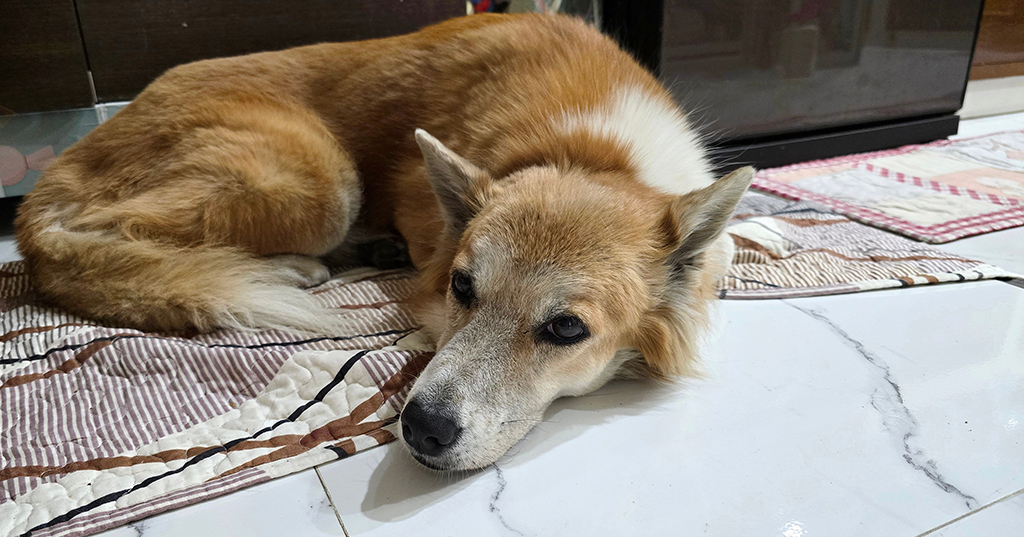
You should worry about dog lethargy when your dog stays unusually tired, sluggish, or uninterested for more than a day, or when low energy comes with other signs such as vomiting, labored breathing, pale gums, or refusing food. A sleepy afternoon after a long hike is normal, but a sudden or lasting drop in energy often points to an underlying health problem. Dogs can’t tell us when they feel unwell, so changes in energy are one of the earliest clues owners get. Many pet parents in Easton notice something is “off” before they can say exactly what it is, and that instinct is worth trusting. In this guide, the team at Veterinary Medical Center of Easton walks through what lethargy really means, the most common causes, the symptoms that tend to come with it, the signs that call for emergency care, and how veterinarians get to the bottom of a dog’s sudden lack of energy.
What Is Dog Lethargy?
Dog lethargy describes a noticeable, abnormal decrease in a dog’s energy, alertness, and interest in normal activities.
A lethargic dog may sleep far more than usual, move slowly, hesitate to get up, or ignore things that normally excite them, like a favorite toy, a walk, or the sound of the treat jar. Veterinarians view this change as a symptom rather than a diagnosis on its own. It tells you that something is affecting your dog’s body or mood, but it doesn’t reveal what that something is.
Lethargy vs. Normal Rest
Every dog has a natural energy baseline. A young Border Collie and a senior Basset Hound will look very different on an ordinary day, and both are healthy. The key question is whether your dog’s behavior has changed compared to their own normal. Rest after heavy exercise, a busy day of visitors, or a long car ride usually resolves after a good night’s sleep. True lethargy tends to linger, worsen, or show up without an obvious reason.
Lethargy vs. Weakness
Owners sometimes use these words interchangeably, but they mean different things. Lethargy relates to energy and interest, while weakness involves a physical inability to stand, walk, or hold the body up normally. A dog can be lethargic, weak, or both. Weakness, wobbling, or collapse deserves prompt veterinary attention because it can signal a serious problem.
What Causes Lethargy in Dogs?
Dozens of conditions can lead to dog lethargy, ranging from short-lived and mild to complex and urgent.
Because the list is so broad, a veterinary exam is often the fastest way to narrow down why your dog is acting tired. Some of the more common causes of dog lethargy include:
- Infections: Viral and bacterial illnesses, including parvovirus, kennel cough complications, and tick-borne diseases such as Lyme disease and ehrlichiosis, which are common on Maryland’s Eastern Shore.
- Pain: Arthritis, injuries, dental disease, and back problems can all make a dog reluctant to move.
- Gastrointestinal upset: Dietary indiscretion, pancreatitis, or swallowing a foreign object can leave a dog drained.
- Metabolic and hormonal disorders: Hypothyroidism, diabetes, and Addison’s disease often cause gradual or episodic energy changes.
- Organ disease: Heart, liver, and kidney problems frequently show up as tiredness first.
- Anemia: A low red blood cell count reduces oxygen delivery and saps stamina.
- Toxin exposure: Antifreeze, rodenticides, certain plants, xylitol, and human medications can cause sudden lethargy.
- Heat-related illness: Hot, humid summer days in Talbot County put dogs at risk of overheating.
- Medication side effects: Some prescriptions, vaccines, or recent anesthesia can cause short-term drowsiness.
Emotional and Lifestyle Factors
Not every case of dog lethargy comes from a physical illness. Stress, grief after losing a companion animal, a move to a new home, or boredom can also lower a dog’s enthusiasm. Even so, it is best to rule out medical causes before assuming a behavioral one.
What Other Symptoms Come With Lethargy in Dogs?
Low energy rarely shows up alone, and the signs that accompany it give your veterinarian valuable clues.
Paying attention to the whole picture helps the veterinary team narrow down the possibilities more quickly. Changes worth noting alongside dog lethargy include:
- Eating less, skipping meals, or showing no interest in treats
- Drinking or urinating noticeably more or less than usual
- Vomiting, diarrhea, or straining to pass stool
- Coughing, sneezing, or nasal discharge
- Limping, stiffness, or difficulty climbing stairs
- Hiding, clinginess, or other personality changes
- Weight loss or a dull, unkempt coat
Tracking Changes at Home
A few simple notes can make a big difference during an exam. Jot down when you first noticed your dog seemed tired, whether the energy level is improving or getting worse, and any recent changes to diet, routine, medications, or environment. Photos or short videos of unusual behavior can also help, since dogs sometimes perk up from adrenaline once they arrive at the clinic.
Subtle Signs in Senior Dogs
Older dogs naturally slow down, which can make lethargy harder to spot. Many owners chalk up a senior dog’s tiredness to age when an illness such as heart disease, kidney disease, or hypothyroidism is actually involved. Dog lethargy in a senior pet is always worth bringing up at a checkup.
When Is Dog Lethargy an Emergency?
Some cases of dog lethargy can wait for a regular appointment, but others need immediate care.
Contact a veterinarian right away or seek emergency care if your dog’s low energy comes with any of the following:
- Collapse, fainting, or an inability to stand or walk
- Pale, white, gray, or blue gums
- Rapid, labored, or noisy breathing
- A swollen, hard, or painful belly, especially with unproductive retching
- Repeated vomiting or bloody diarrhea
- Seizures, disorientation, or unresponsiveness
- Known or suspected exposure to a toxin or medication
- Signs of overheating, such as heavy panting, drooling, or weakness after time in the heat
The 24-Hour Rule of Thumb
If your dog seems mildly tired but is still eating, drinking, and acting mostly like themselves, a short period of observation may be reasonable. However, dog lethargy that lasts longer than 24 hours, keeps returning, or gets worse should prompt a call to your veterinarian. Puppies, senior dogs, and dogs with chronic health conditions can decline faster, so they warrant an earlier visit.
Trust Your Instincts
You know your dog better than anyone. If something feels wrong, even without dramatic symptoms, it is always appropriate to call and describe what you are seeing. The staff at Veterinary Medical Center of Easton can help you decide how quickly your dog should be seen.
How Do Veterinarians Treat a Lethargic Dog?
Treatment depends entirely on the cause, which is why diagnosis always comes first.
Since dog lethargy is a symptom rather than a disease, there is no single treatment that fixes it. Your veterinarian will focus on finding the underlying reason and building a plan around it. Trying to guess at the cause or giving human medications at home can delay care and, in some cases, cause real harm.
The Diagnostic Process
A visit usually begins with a detailed history and a nose-to-tail physical exam. Your veterinarian will check temperature, heart and lung sounds, gum color, hydration, lymph nodes, joints, and abdomen. Depending on what they find, they may recommend blood work, a urinalysis, tick-borne disease testing, X-rays, or an ultrasound to get a clearer view of what is happening inside the body.
Tailored Care Plans
Once your veterinarian identifies the source of the dog lethargy, treatment may involve prescription medications, fluid therapy, pain management, dietary changes, hospitalization, or surgery. Dogs with chronic conditions like hypothyroidism or arthritis often regain much of their energy with ongoing management and regular rechecks. Your veterinary team will also explain what improvement should look like and when to schedule a follow-up.
Help for a Tired Dog in Easton, MD
A drop in energy is one of the clearest ways your dog can tell you something isn’t right. While some tired days are perfectly normal, dog lethargy that lingers, worsens, or shows up with other symptoms deserves a professional look. Catching the cause early often makes treatment simpler and helps your dog get back to their usual routine sooner. The veterinarians at Veterinary Medical Center of Easton help pet owners across Easton and Talbot County uncover the reasons behind sudden or ongoing changes in energy, from infections and pain to hormonal conditions and organ disease. Our team combines thorough exams with diagnostic testing to find answers and create a care plan that fits your dog. If your dog seems more tired than usual, call (410) 822-8505 to schedule a visit or talk with our staff about your concerns.