
Cat dehydration happens when a cat loses more fluid than it takes in, and the most common early signs include lethargy, a reduced appetite, dry or tacky gums, and sunken-looking eyes. Because cats are experts at hiding discomfort, a fluid deficit can quietly build for days before an owner realizes anything is wrong. Many cats also have a naturally low thirst drive, a trait inherited from desert-dwelling ancestors that got most of their water from prey. That makes the problem easy to miss and important to understand. Whether your cat lounges indoors all day or patrols the backyard in Easton, knowing what to look for can help you act early. In this article, Veterinary Medical Center of Easton explains what dehydration is, how it shows up, what causes it, what to do if you suspect it, how veterinarians treat it, and practical ways to help your cat stay well hydrated.
What Is Dehydration in Cats?
Cat dehydration is a shortage of water and essential electrolytes in the body that disrupts normal cell and organ function.
Water makes up roughly 60 to 70 percent of an adult cat’s body weight. It supports digestion, circulation, temperature control, joint lubrication, and the kidneys’ ability to filter waste. When a cat loses fluid through vomiting, diarrhea, urination, or panting faster than it replaces that fluid, blood volume drops and organs receive less oxygen and nutrients. Electrolytes such as sodium, potassium, and chloride also fall out of balance, which affects nerves and muscles.
Why Cats Are Especially Vulnerable
Cats evolved to get much of their moisture from food rather than from drinking. Modern cats eating mostly dry kibble may not make up the difference at the water bowl. Combine that with a tendency to mask illness, and cat dehydration can become serious before it looks obvious.
Mild vs. Severe Dehydration
Veterinarians often estimate dehydration as a percentage of body weight. Mild cases of around 5 percent may cause only subtle changes, while losses of 10 to 12 percent or more can lead to shock, collapse, and life-threatening organ damage. Any level of cat dehydration deserves attention, since the underlying cause often matters as much as the fluid loss itself.
What Are the Signs of Cat Dehydration?
The symptoms can be subtle at first, so it helps to know your cat’s normal behavior and appearance.
Many owners first notice cat dehydration when their pet simply seems “off.” Common cat dehydration symptoms include:
- Lethargy, weakness, or sleeping more than usual
- Decreased appetite or refusing food entirely
- Dry, sticky, or pale gums
- Sunken or dull-looking eyes
- Skin that is slow to settle back into place after being gently lifted at the shoulders
- Fewer or smaller clumps in the litter box, or unusually large clumps in some illnesses
- Panting, a rapid heart rate, or cool paws
- Constipation or hard, dry stool
Signs That Need Immediate Attention
Collapse, labored breathing, extreme weakness, unresponsiveness, or gums that look very pale or gray suggest severe cat dehydration or another emergency. These signs require urgent veterinary care without delay.
Why Visual Checks Have Limits
Skin elasticity and gum moisture can offer clues, but they aren’t always reliable. Senior cats naturally have less elastic skin, and overweight cats may look normal even when they are low on fluids. A veterinary exam and lab work give a far more accurate picture.
What Causes Dehydration in Cats?
Cat dehydration rarely appears on its own and usually signals another problem in the body.
Some causes involve losing too much water, while others involve taking in too little. Frequent culprits include:
- Kidney disease: Chronic kidney disease is very common in older cats and causes them to lose excess water through urine.
- Vomiting and diarrhea: Infections, parasites, dietary changes, hairballs, and inflammatory bowel disease can all drain fluids quickly.
- Diabetes and hyperthyroidism: Both conditions increase urination and can outpace a cat’s drinking.
- Fever and infection: Illness raises fluid needs and often reduces appetite.
- Heat exposure: Hot, muggy Eastern Shore summers and warm enclosed spaces can push cats toward heat stress.
- Dental pain or nausea: Cats that hurt or feel queasy may stop eating and drinking.
- Environmental issues: A dirty or poorly placed water bowl, a new home, or competition with other pets can discourage drinking.
Age and Health History Matter
Kittens and senior cats face the greatest risk because their bodies have less reserve. Cats with chronic illnesses such as kidney disease or diabetes need especially close monitoring, since a small dip in fluid intake can tip them into a crisis.
What Should You Do If Your Cat Seems Dehydrated?
The most important step is to contact your veterinarian promptly rather than waiting to see if things improve.
Because cat dehydration almost always has an underlying cause, home efforts can’t address the real problem and may waste valuable time. Avoid giving human sports drinks, electrolyte products, or medications, as some contain ingredients that are unsafe for cats. Forcing water into a cat’s mouth can also cause choking or aspiration.
Information to Share With Your Veterinarian
When you call, it helps to describe when you first noticed changes, how much your cat has been eating and drinking, any vomiting or diarrhea, and changes in litter box habits. Mention any medications, recent diet changes, or possible exposure to toxins or extreme heat. The team at Veterinary Medical Center of Easton can use this information to determine how quickly your cat should be seen.
When to Seek Emergency Care
Go straight to a veterinarian if your cat has collapsed, isn’t responding normally, is breathing with effort, or hasn’t eaten or used the litter box in more than 24 hours. Male cats straining to urinate need immediate care, since a urinary blockage can turn fatal quickly.
How Do Veterinarians Treat Dehydration in Cats?
Veterinary treatment focuses on safely restoring fluids while identifying and addressing the root cause.
Your veterinarian will start with a physical exam, checking gum color, heart rate, temperature, skin elasticity, and body weight. Blood work and a urinalysis help measure the degree of cat dehydration, assess kidney function, and evaluate electrolyte levels. Imaging may be recommended if a blockage, organ problem, or other internal issue is suspected.
Fluid Therapy Options
Mild cases may respond to fluids given under the skin, known as subcutaneous fluids, which the body absorbs gradually. Moderate to severe cases often need intravenous fluids delivered in the hospital, where the veterinary team can monitor progress and adjust electrolytes. Some cats with chronic kidney disease eventually receive ongoing subcutaneous fluids as part of a long-term care plan, always under veterinary direction.
Treating the Underlying Problem
Rehydration alone isn’t enough if the cause continues. Depending on the diagnosis, your cat may also need anti-nausea medication, pain relief, a special diet, management of diabetes or thyroid disease, or treatment for an infection.
How Can You Prevent Dehydration in Cats?
Encouraging regular water intake and keeping up with routine care go a long way toward lowering the risk of cat dehydration.
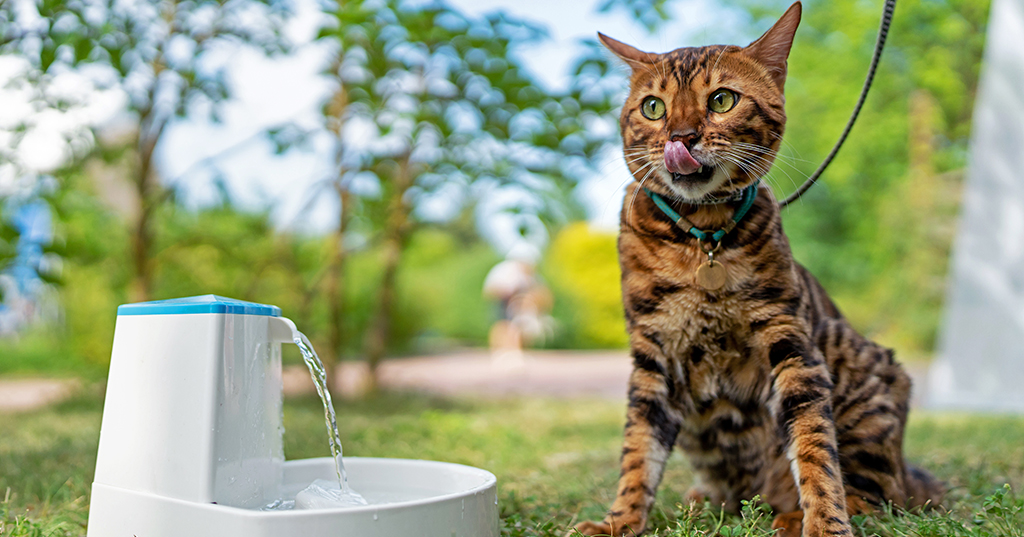
Small changes to your cat’s environment can make drinking more appealing. Many cats prefer fresh, moving water, so a pet fountain may increase interest. Wide, shallow bowls placed away from food and litter boxes are often more inviting, and households with several cats benefit from multiple water stations. Adding wet food to your cat’s diet also boosts daily moisture intake, but talk with your veterinarian before making major diet changes.
Stay Ahead With Regular Checkups
Annual wellness exams, and twice-yearly visits for senior cats, allow your veterinarian to catch kidney disease, diabetes, and thyroid problems before they lead to cat dehydration. Routine blood work provides an early warning system for conditions that cats are skilled at hiding.
Watch for Changes in Habits
Noticing shifts in how much your cat drinks, eats, or uses the litter box can alert you to a problem early. Both drinking much less and drinking much more than usual are worth reporting.
Protect Your Cat’s Health in Easton, MD
Dehydration often hides behind quiet behavior, which makes it one of the easiest feline health problems to overlook. Learning the early signs, understanding the common causes, and acting quickly when something seems wrong can help your cat avoid serious complications. Cat dehydration is usually a clue that something else needs attention, and professional care offers the best path to finding it. The veterinarians at Veterinary Medical Center of Easton work with cat owners throughout Easton and Talbot County to diagnose the reasons behind fluid loss, provide safe rehydration, and build prevention plans for cats of every age. If your cat seems sluggish, has stopped eating, or isn’t acting like themselves, call (410) 822-8505 to schedule an appointment with our team.