
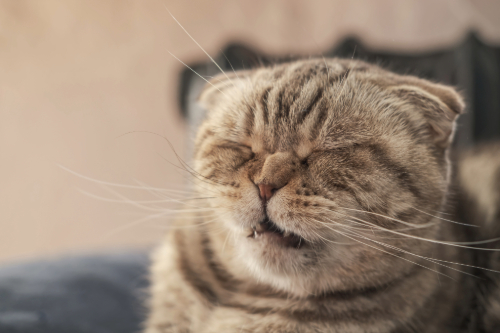
Cat sneezing can happen for many harmless reasons, but frequent or persistent sneezes sometimes point to something more. Sneezing is a natural response that helps clear irritants from the nasal passages, yet changes in how often your cat sneezes, or additional symptoms appearing alongside it, may signal an underlying issue. Understanding what’s normal and what needs attention helps you respond appropriately when you notice a change in your cat’s health. If you’re worried or unsure, Veterinary Medical Center of Easton in Easton, MD is here to help. You can always call the team at (410) 822-8505 to schedule an appointment.
Causes of Sneezing in Cats
Sneezing usually starts when something irritates your cat’s nose or triggers inflammation in their upper airways. Cats use sneezing as a defense mechanism to clear away particles they don’t want to breathe in. While many causes are mild and temporary, others require support from your veterinarian. The more you understand about potential triggers, the easier it becomes to recognize what’s normal for your cat. Each cause below impacts the nasal passages in different ways, and some may lead to additional symptoms. Paying attention to patterns, timing, and what else accompanies the sneezing gives helpful clues.
Everyday Irritants in the Environment
Common household and outdoor irritants can spark an occasional sneeze. Dust, pollen, strong cleaning sprays, smoke from candles or fireplaces, and certain fragrances often bother sensitive feline noses. Cats explore the world with curiosity, which means they get close to surfaces and objects that hold dust or tiny particles. When these irritants enter the nasal passages, the body reacts with a forceful sneeze to push them out.
Even seasonal changes can influence the air quality inside your home. In spring and fall, pollen levels rise. During winter, heating systems stir up dry air and debris. Some cats only sneeze when exposed to a specific irritant, while others respond to small fluctuations in their environment. Observing what your cat does right before they sneeze may help you identify a possible trigger.
Upper Respiratory Infections
Upper respiratory infections are a common cause of frequent sneezing. These infections spread easily between cats, especially in multi-cat households or shelters. Viral infections, such as feline herpesvirus and calicivirus, play a major role in respiratory symptoms. Bacteria can also contribute, creating additional inflammation in the nasal passages and sinuses. Cats with respiratory infections often sneeze repeatedly throughout the day. You might also notice nasal discharge, watery eyes, voice changes, or reduced interest in food. Stress, environmental changes, and exposure to other cats can increase the likelihood of developing respiratory issues. Keeping an eye on the full range of symptoms gives a clearer picture of the situation.
Dental Problems Affecting the Sinuses
Dental disease doesn’t just affect the mouth, it can also lead to sneezing. The roots of a cat’s upper teeth sit close to the nasal passages. When dental issues cause inflammation or infection around those roots, the sinuses may react. This connection explains why some cats with dental concerns sneeze, produce nasal discharge, or show changes in their eating habits.
Cats are experts at masking discomfort, so dental-related sneezing may be the first outward sign of a problem. If the sneezing happens at mealtimes or after chewing, it may point toward an issue in the mouth. Noticing these patterns can help guide you on when to contact your veterinarian for an exam.
When Cat Sneezing Becomes a Concern
Occasional sneezing isn’t unusual, but ongoing or dramatic changes signal the need for extra attention. The frequency and intensity of the sneezing, along with additional symptoms, provide clues about what may be happening. Understanding these signs allows you to respond sooner and support your cat’s comfort. By observing these details, you can share helpful information with your veterinarian during your visit.
Persistent Sneezing That Doesn’t Improve
Sneezing that continues for several days or starts occurring multiple times a day may indicate an underlying issue rather than a brief irritation. Cats generally return to normal quickly when the cause is temporary. If the sneezing continues, it suggests that something is still affecting the nasal passages. Changes in behavior, such as sleeping more, hiding, or less interest in play, may appear alongside persistent sneezing. Even subtle alterations can matter. Sharing this information with your veterinarian helps them determine the next steps for your cat’s care.
Nasal or Eye Discharge
Discharge from the nose or eyes provides important information. Clear discharge often suggests irritation or early inflammation, while colored discharge may indicate a respiratory issue. Eye discharge frequently appears with respiratory infections and may accompany sneezing episodes throughout the day. Cats may also rub their face with their paws or against furniture to relieve the irritation. This extra rubbing can make discharge look worse. Monitoring the type and amount of discharge each day helps you identify whether the condition is staying the same or progressing.
Changes in Breathing or Vocalization
Any change in breathing, such as louder breaths, mouth breathing, or noticeable effort, deserves attention. Sneezing can sometimes cause temporary congestion, but ongoing breathing changes may reflect something affecting the sinuses or airways more significantly. Cats typically breathe quietly, so differences are usually easy to notice. A change in your cat’s voice, such as a hoarse meow, can also appear with upper respiratory involvement. These changes may develop gradually or appear suddenly. Mentioning them to your veterinarian helps paint a clearer picture of your cat’s symptoms.
How Your Veterinarian Helps When Your Cat Is Sneezing
If your cat develops ongoing sneezing, your veterinarian at Veterinary Medical Center of Easton offers guidance, diagnostic support, and answers to help you understand what may be happening. Our veterinary team’s goal is to identify the cause and offer direction while keeping your cat as comfortable as possible. Veterinarians evaluate multiple factors, including your cat’s overall health, age, lifestyle, and any changes you’ve noticed at home. This approach helps them decide which steps to take next and how to interpret your cat’s symptoms.
Full Physical Examination
Your veterinarian begins with a complete physical exam, which includes checking the eyes, nose, throat, and mouth for visible signs of irritation or discharge. They may gently examine the sinuses and look for signs of dental disease or inflammation. Observing your cat’s breathing pattern and overall demeanor provides important information as well.
A thorough history is just as valuable as the physical exam. Sharing details such as when the sneezing started, how often it occurs, and whether anything seems to trigger it helps your veterinarian understand the timeline. This information guides their next steps.
Diagnostic Testing When Needed
If additional information is helpful, your veterinarian may recommend testing. This could include bloodwork, imaging, or nasal swabs depending on the situation. Each test offers insight into potential causes and helps narrow down what may be affecting your cat’s nasal passages.
Not all cats require testing, but when it’s recommended, it supports a more complete understanding of your cat’s health. Test results help your veterinarian rule out certain issues and focus on the most likely cause.
Supporting Your Cat’s Comfort at Home
While your veterinarian guides your cat’s care, you can also make thoughtful choices at home to support their comfort. Small adjustments in their environment often help them breathe more easily. Paying attention to changes in their behavior helps you respond when your cat may need extra support. The goal is to create a supportive environment while working alongside your veterinarian’s guidance.
Monitor Their Environment
Reducing irritants in your cat’s surroundings can make a noticeable difference. Keeping your home well-ventilated, avoiding strong fragrances, and being mindful when using household cleaning products helps reduce potential triggers. Cats appreciate consistent, calm environments, so managing sudden changes in noise, temperature, or activity can help them relax. If you recently added new air fresheners, cleaners, or scented items, consider whether those changes appeared around the same time as the sneezing. Identifying patterns is a helpful part of supporting your cat’s comfort.
Observe Their Eating and Activity Habits
Your cat’s usual routines provide a strong baseline for understanding their health. Any change in appetite, hydration, grooming habits, or playfulness can offer clues. Cats often hide subtle changes, so watching their behavior more closely when sneezing becomes frequent helps you stay informed. If you notice that symptoms occur after particular activities or environmental changes, share this information with your veterinarian. These observations contribute to the overall understanding of your cat’s condition.
Staying Alert to Your Cat’s Sneezing Patterns
Staying aware of your cat’s sneezing habits helps you respond with confidence when something seems off. Cats communicate through their behavior, and changes in sneezing frequency, intensity, or associated symptoms often tell you when it’s time to reach out for guidance. Veterinary Medical Center of Easton is here to support you when questions arise about your cat’s health. To schedule an appointment or ask about your cat’s symptoms, call (410) 822-8505 today.