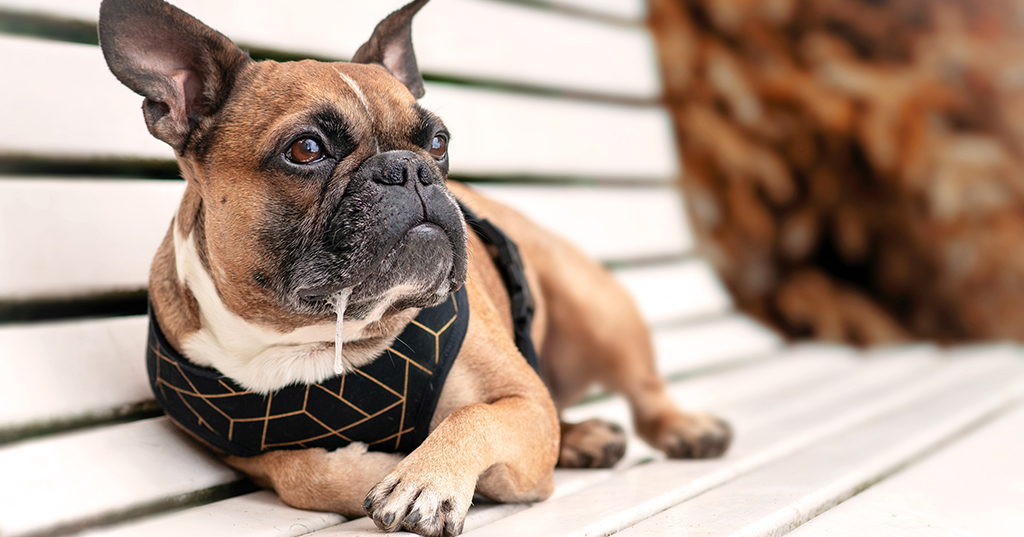
A dog drooling excessively may simply be anticipating dinner, but sudden or heavy drooling can also signal dental disease, nausea, a foreign object in the mouth, heatstroke, or toxin exposure. The difference often comes down to timing, breed, and whether other symptoms appear alongside the extra saliva. Some dogs, like Saint Bernards and Bloodhounds, leave a trail wherever they go, while others rarely drip at all. When you find a normally tidy dog drooling excessively all over the floor, or a known slobberer starts drooling far more than usual, it’s worth paying attention. Pet owners around Easton often ask whether a dog drooling excessively is a reason for concern or just a messy habit. In this guide, Veterinary Medical Center of Easton breaks down why dogs drool, what causes excess saliva, when it becomes an emergency, how veterinarians find the cause, what treatment involves, and how to reduce the chances of future problems.
Why Do Dogs Drool?
Drooling is a normal, healthy process that helps dogs eat, digest, and protect their mouths.
Saliva moistens food so it is easier to chew and swallow, starts the digestive process, and helps rinse bacteria and debris from the teeth and gums. Dogs also produce more saliva in response to smells and sights that excite them, which is why many pets drip at the sound of a food bag opening or while watching you eat.
Breeds Prone to Drooling
Anatomy plays a big role in how much saliva escapes the mouth. Breeds with loose lips and heavy jowls simply can’t hold it in as well as others. Mastiffs, Newfoundlands, Saint Bernards, Bloodhounds, Boxers, Bulldogs, and Great Danes are well-known droolers. For these dogs, a steady drip is part of everyday life rather than a warning sign.
Normal Triggers for Extra Saliva
Even a dog drooling excessively for a few minutes may be perfectly healthy, since breeds that rarely drool still produce more saliva after exercise, during car rides, around food, or when they feel excited or nervous. This type of drooling tends to stop once the trigger passes. Seeing your dog drooling excessively only during these moments usually isn’t a cause for worry.
Why Is My Dog Drooling So Much?
When drooling increases suddenly or doesn’t match your dog’s usual pattern, something is usually prompting the change.
Veterinarians call excessive saliva production or overflow “hypersalivation” or “ptyalism.” A dog drooling excessively may be producing too much saliva, having trouble swallowing normally, or both. Common causes include:
- Dental disease: Tartar, gum infection, broken teeth, and oral abscesses are among the most frequent reasons for extra drool.
- Foreign objects: Sticks, bone fragments, or bits of toys lodged in the mouth or throat can cause sudden drooling and pawing at the face.
- Nausea: Upset stomachs, motion sickness, and gastrointestinal illness often trigger heavy salivation before vomiting.
- Toxins and irritants: Licking toads, certain plants, household cleaners, or medications can cause intense drooling.
- Heat stress: Overheating leads to thick saliva and heavy panting, especially during humid Eastern Shore summers.
- Oral growths or injuries: Tumors, burns, cuts, or insect stings in the mouth may make swallowing painful.
- Anxiety: Thunderstorms, fireworks, and vet visits can bring on stress-related drooling.
- Neurological or systemic disease: Liver disease, kidney disease, and nerve problems affecting the face or throat can also be responsible.
Watch for Patterns
If you find your dog drooling excessively, note when it started, whether it comes and goes, and whether your dog is eating normally. These details help your veterinarian sort through the possibilities. Drool that has blood in it, smells unusually bad, or appears on only one side of the mouth offers additional clues.
Is Excessive Drooling in Dogs an Emergency?
Sometimes it is, and recognizing the warning signs can protect your dog’s health.
A dog drooling excessively along with other concerning symptoms needs prompt veterinary care. Seek emergency help if heavy drooling appears with any of these signs:
- Retching or trying to vomit without bringing anything up, especially with a swollen belly
- Difficulty breathing, gagging, or choking sounds
- Pawing frantically at the mouth or face
- Tremors, seizures, stumbling, or disorientation
- Collapse, extreme weakness, or unresponsiveness
- Heavy panting and bright red gums after time in the heat
- Known or suspected contact with a toad, toxic plant, chemical, or medication
- Facial swelling, hives, or signs of an allergic reaction
Why Bloat Is a Top Concern
Gastric dilatation-volvulus, often called bloat, is a life-threatening condition most common in large, deep-chested breeds. Drooling, restlessness, unproductive retching, and a tight abdomen can all point to bloat. A dog in this situation needs immediate emergency treatment.
When to Book a Regular Appointment
If your dog seems comfortable, is eating and drinking, and the drooling has increased gradually, a scheduled exam is usually appropriate. Dental disease, for example, often develops slowly. Even so, a dog drooling excessively for more than a day or two should be evaluated.
How Do Veterinarians Diagnose Excessive Drooling in Dogs?
Finding the reason behind extra saliva starts with a thorough history and a careful look at the mouth and body.
When examining a dog drooling excessively, your veterinarian will ask when the drooling began, whether your dog could have chewed or swallowed something, and whether you’ve noticed changes in appetite, behavior, vomiting, or energy. Bringing a list of medications, recent diet changes, and any plants or chemicals your dog may have encountered can speed up the process.
The Physical and Oral Exam
A complete exam includes checking the teeth, gums, tongue, throat, lymph nodes, and face for pain, swelling, or masses. Some dogs with painful mouths won’t allow a full look while awake, so the veterinary team may recommend sedation to examine the mouth safely and thoroughly.
Diagnostic Testing
Depending on initial findings, your veterinarian may suggest blood work to evaluate organ function, dental X-rays to look below the gumline, or abdominal and chest imaging if a swallowed object or internal problem is suspected. A biopsy may be needed if a growth is found. For a dog drooling excessively with neurological signs, further testing or a referral to a specialist may be recommended.
How Is Excessive Drooling in Dogs Treated?
Treatment targets the underlying cause, so the right plan depends entirely on what the veterinarian finds.
Because drooling is a symptom rather than a disease, there’s no one-size-fits-all fix. Trying to reach into your dog’s mouth to remove an object can lead to bites or push the item deeper, so it’s safest to let a veterinary professional handle it.
Common Treatment Approaches
Dental disease is often addressed with a professional cleaning under anesthesia, along with extractions or other procedures for damaged teeth. Foreign objects may be removed under sedation, while nausea and gastrointestinal illness may call for prescription anti-nausea medication and supportive care. Toxin exposures and heatstroke typically require urgent hospital treatment, including fluid therapy and close monitoring. Oral growths may need surgical removal, and anxiety-related drooling can sometimes improve with behavior strategies or medication prescribed by your veterinarian.
Follow-Up Care
Your veterinary team will explain what recovery should look like and when to schedule a recheck. Once the cause is resolved, most dogs return to their usual drool level.
Can You Prevent Excessive Drooling in Dogs?
You can’t stop a Mastiff from being a Mastiff, but you can lower the risk of many medical causes of extra saliva.
Routine dental care is one of the most effective steps. Annual exams and professional cleanings as recommended help catch gum disease, cracked teeth, and oral masses early. Supervising chew time and choosing toys your veterinarian considers safe reduces the risk of splinters and swallowed pieces.
Reduce Exposure to Hazards
Keep medications, cleaning products, and toxic plants out of reach, and supervise your dog outdoors where toads and wildlife may be present. On hot, humid days, limit exercise to cooler hours and provide shade and fresh water.
Stay Consistent With Wellness Visits
Regular checkups allow your veterinarian to spot changes before they turn into urgent problems. Mention any shift in drooling habits, even if it seems minor, so it can be tracked over time.
Get Answers About Your Dog’s Drooling in Easton, MD
A little slobber is part of life with many dogs, but a sudden flood of saliva or drooling paired with other symptoms deserves a closer look. Recognizing the difference helps you act quickly when it matters and avoid unnecessary worry when it doesn’t. If you notice your dog drooling excessively, pawing at their mouth, or acting unwell, a veterinary visit is the best way to find out why. The team at Veterinary Medical Center of Easton helps dog owners in Easton and throughout Talbot County diagnose oral pain, dental disease, toxin exposures, and other causes of heavy drooling, then builds a care plan that fits each dog. To schedule an appointment or describe what you’re seeing, call (410) 822-8505.