
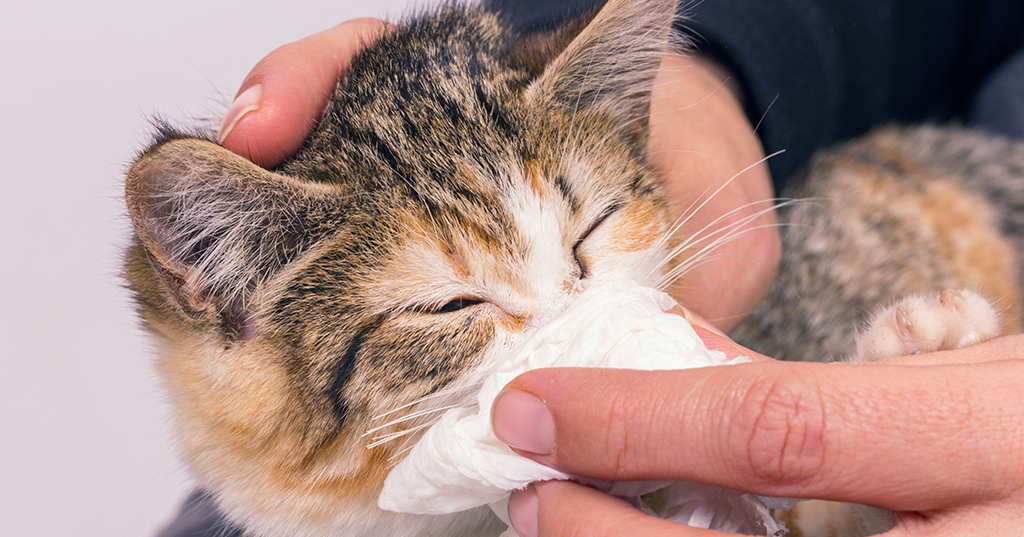
Nasal discharge in cats is most often caused by an upper respiratory infection, but allergies, dental disease, foreign objects, polyps, and tumors can also lead to a runny or crusty nose. Clear discharge with a few sneezes may be mild and short-lived, while thick yellow or green mucus, bloody discharge, or a cat that stops eating calls for a veterinary visit. Because cats rely heavily on their sense of smell to stay interested in food, even a stuffy nose can affect appetite and overall health. Many owners in Easton notice the problem when their cat starts sneezing more often or leaves damp spots on favorite napping places. In this guide, Veterinary Medical Center of Easton explains the most common causes, how viral and bacterial infections differ, what other symptoms can reveal, how to support your cat, when to call the vet, and what to expect from diagnosis, treatment, and recovery.
What Causes Nasal Discharge in Cats?
Nasal discharge in cats is a symptom with many possible sources, ranging from minor irritation to chronic disease.
Upper respiratory infections top the list, especially in kittens, shelter cats, and multi-cat homes. Still, nasal discharge in cats can stem from a wide range of other problems, including:
- Allergies and irritants: Dust, pollen, cigarette smoke, scented litter, and household sprays can inflame the nasal passages.
- Dental disease: Infected upper tooth roots sit close to the nasal cavity and can cause one-sided discharge.
- Foreign objects: Grass blades or plant material inhaled outdoors may trigger sudden sneezing and discharge from one nostril.
- Nasopharyngeal polyps: These benign growths, more common in young cats, can block airflow behind the nose.
- Fungal infections: Organisms such as Cryptococcus can cause chronic nasal disease and facial swelling.
- Nasal tumors: More common in older cats, tumors may cause bloody or persistent discharge.
- Chronic rhinitis: Some cats develop long-term inflammation after a past viral infection.
One Side or Both?
Where the discharge comes from matters. When nasal discharge in cats affects both nostrils, an infection or allergy is more likely. Discharge from only one side often points to a localized issue like a tooth root abscess, foreign object, polyp, or growth.
Is a Cat’s Runny Nose Viral or Bacterial?
Most infections behind nasal discharge in cats start with a virus, and bacteria often join in later.
Feline herpesvirus and feline calicivirus cause the majority of cat colds. These viruses spread through direct contact, shared bowls, grooming, and sneezed droplets. Many cats that recover from herpesvirus become lifelong carriers, and stress can trigger flare-ups months or years later.
How Bacterial Infections Fit In
Bacteria such as Bordetella, Chlamydia felis, and Mycoplasma can cause primary infections or take advantage of tissue already damaged by a virus. Secondary bacterial infections often change the appearance of nasal discharge in cats, turning clear mucus thick, cloudy, yellow, or green.
Why the Difference Matters
Antibiotics don’t work against viruses, so they aren’t always part of the treatment plan. Your veterinarian decides whether antibiotics, antiviral medication, or supportive care makes sense based on your cat’s symptoms, exam findings, and test results. Vaccination against herpesvirus and calicivirus doesn’t always prevent infection, but it often reduces how severe the illness becomes.
What Do Other Symptoms Tell You About Your Cat’s Runny Nose?
The signs that appear alongside a runny nose help narrow down the likely cause and its seriousness.
Paying attention to the full picture gives your veterinarian useful clues. Symptoms that commonly appear with nasal discharge in cats include:
- Frequent sneezing or reverse sneezing
- Watery or goopy eyes, squinting, or eye ulcers, often linked to herpesvirus
- Mouth ulcers or drooling, which can point to calicivirus
- Noisy breathing, snoring, or open-mouth breathing
- Fever, lethargy, or hiding
- Reduced appetite or interest in food
- Facial swelling, bad breath, or pawing at the face
Reading the Color and Texture
Clear, watery nasal discharge in cats is often seen early in viral infections or with allergies. Thick yellow or green mucus suggests a bacterial component. Blood-tinged discharge or nosebleeds may indicate trauma, a foreign body, fungal disease, a clotting problem, or a tumor and should always be checked promptly.
My Cat Has a Runny Nose: How Can I Help?
The most helpful thing you can do is observe carefully and partner with your veterinarian rather than trying to treat the problem yourself.
Nasal discharge in cats can look similar across very different conditions, so home remedies or leftover medications may mask symptoms or cause harm. Human decongestants, cold medicines, and pain relievers can be toxic to cats and should never be given.
Ways to Support Your Cat
Keep notes on when symptoms started, the color of the discharge, whether it affects one or both nostrils, and how well your cat is eating and drinking. If you live with other cats, ask your veterinarian whether temporarily separating the sick cat makes sense, and wash your hands after handling them to help limit the spread of contagious viruses. Reducing household stress and keeping your cat’s environment free of smoke, strong fragrances, and dusty litter can also help.
Follow Through on the Care Plan
Once your veterinarian recommends a course of action, follow the instructions closely and finish any prescribed medications. Let the clinic know if your cat isn’t improving as expected.
When Should You Call the Vet About Nasal Discharge in Cats?
Some mild cases resolve on their own, but certain signs mean your cat needs professional attention.
Contact your veterinarian if the runny nose lasts more than a few days, the discharge becomes thick, colored, or bloody, or symptoms come and go repeatedly. Kittens, senior cats, and cats with chronic illnesses should be seen sooner, since they can decline faster.
Signs That Need Urgent Care
Seek care right away if your cat is breathing with an open mouth, struggling to breathe, refusing food for more than 24 hours, very lethargic, or has a swollen face. Cats that stop eating can develop serious liver problems, so a loss of appetite is never something to wait out. The team at Veterinary Medical Center of Easton can help you decide how quickly your cat should be seen when you call (410) 822-8505.
How Do Vets Diagnose and Treat Cat Nasal Discharge?
Finding the cause starts with a careful exam and, when needed, targeted testing.
Your veterinarian will review your cat’s history, vaccination status, exposure to other cats, and symptom timeline. A physical exam includes checking the eyes, mouth, teeth, lymph nodes, and airflow through each nostril.
Diagnostic Tools
For straightforward infections, the exam alone may be enough. When nasal discharge in cats is persistent, one-sided, or bloody, your veterinarian may recommend respiratory pathogen testing, blood work, dental X-rays, skull imaging, rhinoscopy to look inside the nasal passages, or a tissue biopsy.
Treatment Options
Treatment depends on what the testing reveals. Options may include antibiotics for bacterial infections, antiviral medications, anti-inflammatory drugs, appetite support, fluid therapy, dental procedures, polyp removal, antifungal medication, or referral to a specialist for tumors.
What Is the Prognosis for Cats With a Runny Nose?
The outlook for nasal discharge in cats is usually good, and most recover well, though recovery depends on the underlying cause.
Uncomplicated upper respiratory infections often improve within one to three weeks with appropriate care. Cats carrying herpesvirus may have occasional flare-ups during stressful times, but these are usually manageable. Dental-related nasal discharge in cats often resolves once the affected tooth is treated, and polyps generally carry a good outlook after removal. Chronic rhinitis, fungal disease, and nasal tumors require more involved, ongoing management, and early diagnosis gives cats the best chance at comfort and a good quality of life.
Help for Your Sneezing Cat in Easton, MD
A runny nose may seem like a small issue, but nasal discharge in cats can affect breathing, appetite, and comfort, and it sometimes signals a deeper problem. Paying attention to the color of the discharge, which nostril it comes from, and how your cat is eating gives you a head start in getting the right care. Most cats bounce back well once the cause is identified and addressed. The veterinarians at Veterinary Medical Center of Easton help cat owners across Easton and Talbot County diagnose respiratory infections, dental problems, polyps, and chronic nasal conditions, and they tailor treatment to each cat’s needs. If your cat is sneezing, congested, or has a runny nose that won’t clear up, call (410) 822-8505 to schedule an appointment.